
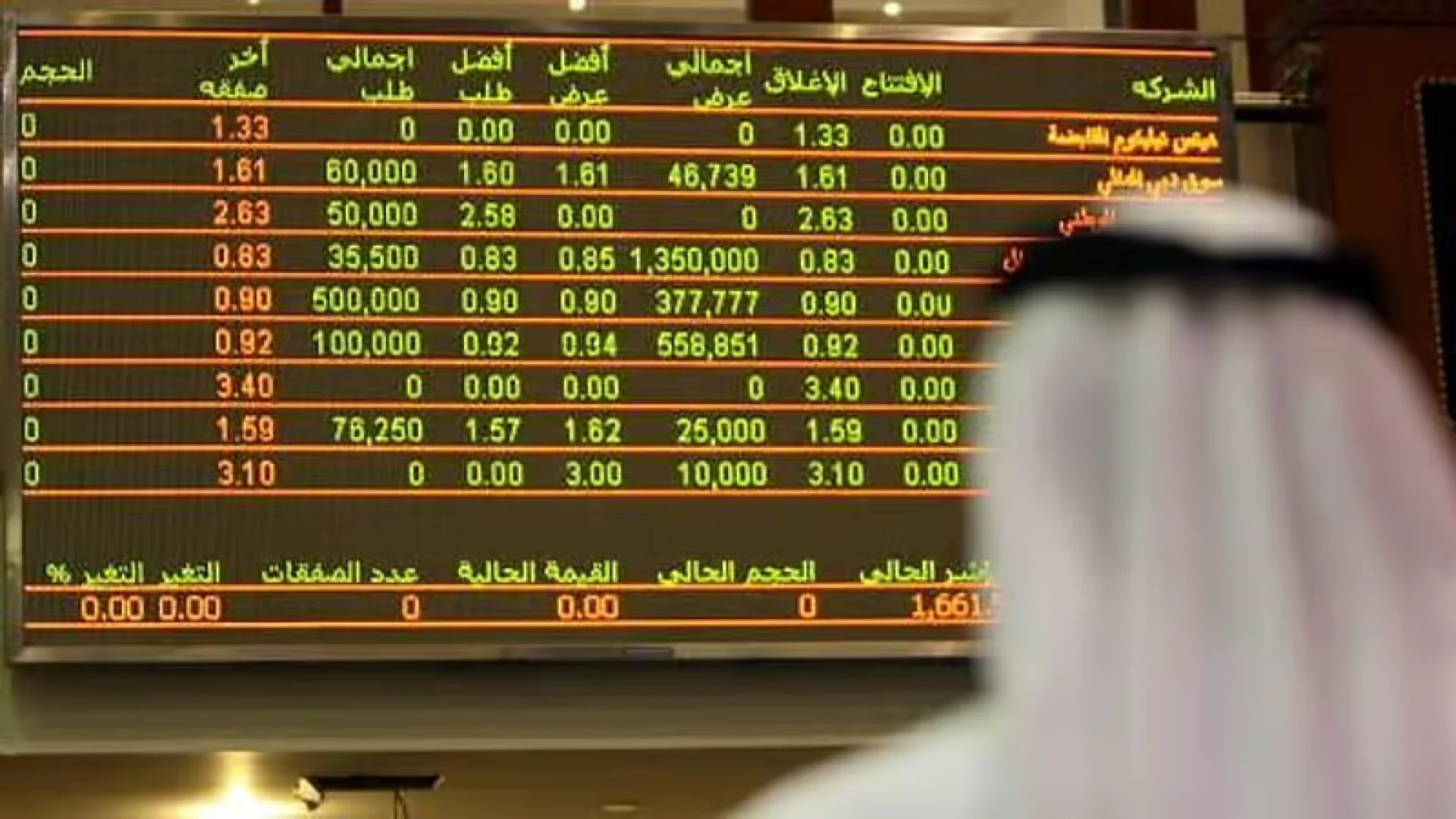

The year has barely begun, yet the Dubai Financial Market is already humming: daily trading value has surged past Dh1 billion, a bold early marker of liquidity and conviction. After a strong prior year, the opening stretch of 2026 is drawing fresh attention to the DFM as a regional mood-setter—where banks, blue chips and market heavyweights can pull capital in fast. This kind of turnover is more than a headline; it’s a sign that investors are actively repositioning, that price discovery is accelerating, and that sentiment is willing to take a step forward. For Dubai, a city where finance and the built environment constantly echo each other, the question now is how this market energy feeds into broader investment decisions—especially real estate.
Dubai mornings don’t ease in. They arrive like a switch flipped—light flooding the glass towers, cars sliding over bridges, coffee steaming behind lobby doors that open without a sound. Inside the market halls, the air is cool enough to sharpen your thinking. Screens glow. Numbers blink. And people lean closer, as if proximity might turn data into certainty.
“You seeing this?” a trader asks, voice low, eyes fixed on the feed. His colleague doesn’t answer immediately—just tilts the phone, scrolls, exhales. The line that matters today is simple and loud: daily trading value has surpassed Dh1 billion. Not later in the year, not after some long warm-up. Right at the start of 2026.
Markets have their own body language. Sometimes they shuffle; sometimes they sprint. The DFM is sprinting into 2026, and that changes the feel of the room. A billion dirhams’ worth of shares changing hands in a day is not just “busy”—it’s a signal that the market’s engine is running hot: liquidity is present, participation is broad, and conviction is strong enough to act on.
There’s an edge to days like this. Not panic—more like alertness. People speak in clipped sentences. “In at open.” “Trim here.” “Watch the close.” A tiny nod replaces a paragraph. The market doesn’t want essays; it wants decisions.
Headlines love round numbers, but in trading, round numbers often mark thresholds in behavior. When turnover pushes beyond a billion dirhams a day, it usually means several forces are moving at once:
The Khaleej Times report frames this as a strong start to 2026 for the DFM, with daily trading value crossing that Dh1 billion mark. It’s a straightforward fact, but it carries a wider implication: the market is not drifting into the year—it’s declaring itself early.
If you stand near the dealing desks long enough, you start to hear liquidity like weather. A burst of messages. A quick laugh that ends mid-breath. A sudden silence when a price jumps. Someone mutters, “That’s real buying.” Another replies, “Or someone late to the story.”
And then the ritual: charts pulled up, the day’s narrative written in real time. Because a high-turnover session is a kind of public negotiation. It’s thousands of opinions colliding and settling into a price. It’s also, quietly, a test of confidence—confidence in the market’s plumbing, regulation, and depth.
The DFM matters beyond its own ticker tape because Dubai is a regional hub where capital, talent, and ambition converge. A strong opening to the year can act like a beacon: it suggests that investors see opportunity worth chasing, and that they’re willing to move money—not just talk about moving money.
In the Gulf, markets can be intertwined with sentiment in a way that feels almost physical. When trading accelerates, conversations accelerate too: bankers call clients, clients call advisors, advisors call research. The ecosystem warms up. And when the ecosystem warms up, corporate decisions—fundraising, expansion, hiring—can become easier to justify.
This is why daily trading value is watched so closely. Index levels tell you where the market is. Turnover tells you how alive it is.
January is a reset button for many investors. New allocations. Fresh mandates. A clean performance slate. And that can create a particular kind of urgency: nobody wants to miss the first leg of a move if it turns into a year-long trend.
When the DFM prints a Dh1 billion-plus trading day right out of the gate, it can amplify that urgency. Momentum doesn’t guarantee direction—but it does change behavior. It invites more participants, which can tighten spreads and intensify competition for the best entries.
Still, the mood on the floor is rarely pure optimism. It’s sharper than that. The better investors are not asking, “Is it up?” They’re asking, “Is it sustainable?” They watch whether activity is broad-based or concentrated, whether follow-through appears on subsequent sessions, and whether the market’s leaders are supported by real flows rather than fleeting hype.
Step outside and Dubai continues its own trading session—just in concrete and steel. Cranes turn slowly above new districts. Delivery trucks slide into service roads. Showrooms open their doors like stages. In Dubai, investment is not a theory; it’s a skyline in progress.
That’s why the DFM’s strong start matters to more than equity investors. When markets are active, wealth effects can ripple outward. A profitable quarter in shares can become a down payment. A bonus expectation can become a reservation fee. A confident boardroom can become a new development launch.
And on the flip side, when markets are liquid and upbeat, investors often become more selective—not less. They can afford to wait for quality. They can demand better terms. They can walk away from deals that feel thin. Liquidity gives you options, and options change the balance of power.
A Dh1 billion daily trading value doesn’t promise uninterrupted gains. It promises engagement. It suggests the market is functioning as a real marketplace—active, contested, and alive. Practically, that can mean:
In other words: the DFM’s opening note in 2026 is loud. And loud markets tend to pull in more listeners.
For real estate investors, the DFM’s Dh1 billion-plus daily turnover is not a side show—it’s a meaningful read on Dubai’s broader investment climate. Equity-market liquidity and confidence often spill into property decisions through wealth effects, financing sentiment, and developer behaviour.
2026 watchpoints for property investors: Track whether DFM activity remains elevated beyond the opening weeks, and whether it’s broad-based. Sustained liquidity can support transaction volumes and buyer confidence in real estate, but it can also fuel pockets of exuberance—especially in off-plan cycles. A disciplined approach is key: underwrite the rental cash flow, stress-test service charges and vacancy, and prioritize assets with proven end-user demand and strong community fundamentals.